
Buying a Historic Home in Downtown Herndon
Ranked #1 Selling Realtor in Northern VA since 2020
The Historic District Overlay, Design Review, the Architecture of the 1917 Fire and How to Check Permits Before You Buy
Contact Us for Your Free Consultation Today


Sell Faster & For More Money With Nikki
$17.88 More Per SQFT & 45% Faster Vs. Reston Market Average (Nikki’s Reston Listings)*
Quick Answer: What Should I Know Before Buying a Historic Home in Herndon?
Last updated October 2026
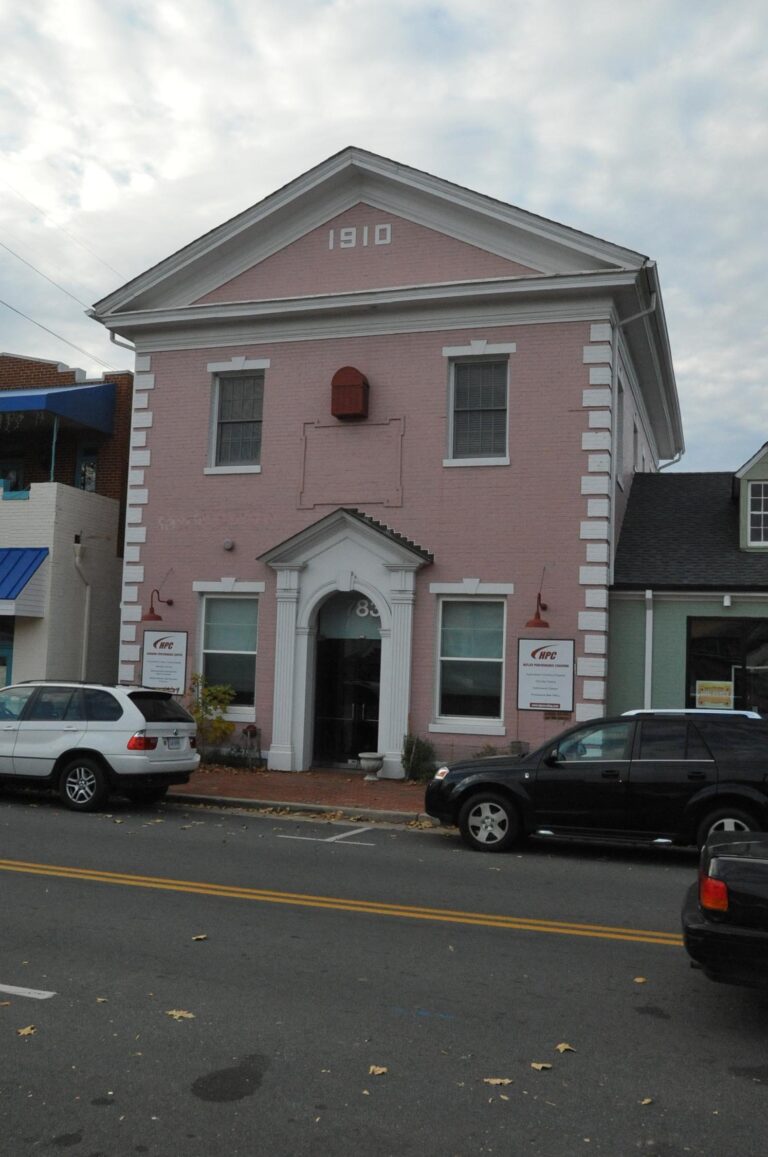
Quick answer: downtown Herndon’s older homes and storefronts sit in the Town’s Historic District Overlay, which covers the downtown district, Van Vleck’s Addition and Chestnut Grove Cemetery. Most houses there date from about 1890 to 1920, in Queen Anne, Craftsman and Colonial Revival styles, and the brick commercial blocks largely date from after the fire of March 22, 1917. Exterior changes can need a Certificate of Appropriateness: some work is exempt, most goes to Town staff, and bigger changes go to the Historic District Review Board. Before you buy, confirm the overlay status on the Town’s historic district map, ask for permit and approval history, and read the Herndon Historic District Guidelines (PDF).
Part of Nikki’s Living in Herndon guide.
Your Herndon realtor: Nikki Lagouros is the #1 selling realtor in Northern Virginia by units sold since 2020, based on RealTrends rankings and her team’s transaction records. See Rankings & Data or contact Nikki to talk through a specific address.
Named #1 Selling Realtor in Northern Virginia by Units Sold Since 2020
The best way to navigate Herndon’s real estate market is with a knowledgeable realtor who listens, advocates, and works tirelessly for your goals. Nikki Lagouros offers a blend of proven expertise, honest guidance, and commitment to helping clients feel supported throughout every step.
#1 Selling Realtor in Northern Virginia
Nikki is the #1 selling realtor in Northern Virginia by units sold, meaning homes sold, from 2020 through 2026, based on RealTrends’ Virginia sales rankings and her team’s transaction records. See Rankings & Data.
Above-Average
Market Results
Searching online for the “best realtor to sell my home”? Nikki’s Reston listings sell 45% faster and for $17.88 more per square foot than the Reston market average. Maximize your property value with Nikki managing your sale.
Trusted Local
Insights
A Northern Virginia resident since 2006, Nikki’s insights combine real estate market analysis and local expertise. Whether you need house-hunting help for a single-family home or a city condo, she’ll find the perfect fit for your lifestyle.
Personal, Family-First
Approach
As a wife, mom, and military spouse, Nikki understands the personal side of real estate. Whether you’re relocating for military postings or want to sell quickly, she offers thoughtful guidance.
Your Real Estate
Advocate
Nikki is by your side every step of the home-buying or selling process. With honest guidance and strong negotiation skills, she ensures your needs are prioritized, offering advice she would give her own family.
What the Historic District Overlay Covers
The Town of Herndon’s Historic District Overlay is a zoning overlay with three parts:
- The downtown district: the commercial center and the residential streets right around it, roughly matching the state and national Herndon Historic District.
- Van Vleck’s Addition: a residential subdivision north of the core, established in 1895.
- Chestnut Grove Cemetery: an active cemetery established in 1872.
The Herndon Historic District was listed on the Virginia Landmarks Register in 1990 and the National Register of Historic Places in 1991. For a homeowner, the local overlay is what brings Town design review of exterior changes. The Town’s historic district map shows the boundary and marks each building as contributing or noncontributing, and the design guidelines treat the two differently.
Sources: Herndon Historic District Guidelines (PDF), Virginia DHR: Herndon Historic District.
Reading the Houses: 1890 to 1920, and the 1917 Fire
The railroad reached Herndon in the late 1850s, the depot was built in 1860, and the town grew outward from it, mostly west of the commercial core. The Town’s guidelines say most of the district’s buildings date from 1890 through 1920, with typical house styles of Queen Anne, Craftsman and Colonial Revival, plus many vernacular homes. Virginia’s Department of Historic Resources describes the side streets as keeping “a wide range of modest housing types built from 1890 to 1920.”
Downtown changed overnight on March 22, 1917, when a fire destroyed 16 businesses and two homes. Before the fire most buildings were wood frame; the lost buildings were rebuilt quickly in brick and stone. That is why the commercial blocks along Station and Elden streets read as early 20th-century masonry, while the surrounding houses are mostly frame.
Sources: Town of Herndon: history, Herndon Historic District Guidelines, Virginia DHR.
What Needs Review, and Who Decides
In the overlay, many exterior changes need a Certificate of Appropriateness. The Town sorts proposed work into three paths:
- Exempt: some improvements need no certificate.
- Staff review: most applications are approved by Town staff.
- Historic District Review Board: larger changes go to this seven-member board appointed by Town Council, which meets monthly.
How to apply: read the Process Guide and Reference Guide, fill out the Property Modification Form, and email it to [email protected]. Staff will tell you whether the work is exempt, needs staff review or goes to the board. The design, form and materials of exterior changes are guided by the Historic District Guidelines, the Downtown Pattern Book and the zoning ordinance; the guidelines have separate chapters for new additions, new construction, relocation and demolition.
Sources: Town of Herndon: historic preservation, Historic District Review Board.
Before You Write an Offer: A Checklist
- Confirm overlay status on the Town’s historic district map, and note whether the house is contributing or noncontributing.
- Ask the seller for approvals and permits: Certificates of Appropriateness and building permits for past exterior work, additions, windows, siding and porches.
- Check the Town’s records. Through January 2, 2027, Community Development’s counter is at 397 Herndon Parkway, Suite 100, while the Municipal Center is renovated.
- Inspect for the house’s age: older wiring, plumbing, foundations and roofs, and federal lead-based paint disclosure for homes built before 1978.
- Price your plans against the guidelines. If you want new windows, siding, a porch change or an addition, read the relevant chapter first and allow time for review.
- Ask about incentives: Virginia’s historic rehabilitation tax credit program may apply to eligible work; check DHR’s requirements before you start.
- Confirm Town status and taxes: downtown homes are inside the Town of Herndon, so budget for the Town’s $0.27 per $100 on top of the County rate. See Town of Herndon vs. a Herndon address.
Living Downtown: The Tradeoffs
- Walkability: the W&OD Trail, Town Green, library, Thursday farmers market and downtown restaurants are close by.
- Summer Fridays: Friday Night Live! brings free concerts to the Town Green until about 10 p.m. from late May to early September.
- Parade mornings: the Homecoming Parade closes several downtown streets; in 2026 it is Saturday, October 24.
- The downtown block: the roughly five-acre site at Elden and Center streets is tied up in the Town’s dispute with Comstock. See the Herndon development tracker.
- Metro: the Herndon station is about 1.8 miles south of Old Town on foot.
Official Resources
- Herndon Historic District Guidelines (PDF)
- Historic District Process Guide (PDF) and Reference Guide (PDF)
- Property Modification Form
- Herndon historic district web map
- Technical Assistance Library (maintenance recordings and materials)
- Historic District Review Board
- National Register nomination for the Herndon Historic District (PDF)
- Herndon Historical Society and the Herndon Depot Museum, 717 Lynn St (the Society’s website was offline when checked in October 2026; see the Town of Herndon history page)
More Herndon guides: Living in Herndon | Town of Herndon vs. a Herndon address | Herndon development tracker | Herndon events calendar. Next door: Living in Reston, the Reston Metro guide and the Dulles flight paths guide. All areas served.
Historic Homes in Downtown Herndon FAQ
Is downtown Herndon a historic district?
Yes. The Town of Herndon has a Historic District Overlay covering the downtown district, Van Vleck’s Addition and Chestnut Grove Cemetery, and the Herndon Historic District is listed on the Virginia Landmarks Register (1990) and the National Register of Historic Places (1991).
Do I need approval to change the outside of a historic home in Herndon?
Often, yes. Exterior changes in the Historic District Overlay can need a Certificate of Appropriateness. Some work is exempt, most applications are reviewed by Town staff, and larger changes go to the Historic District Review Board.
What styles of homes are in the Herndon Historic District?
Most buildings date from about 1890 to 1920. Typical house styles are Queen Anne, Craftsman and Colonial Revival, along with many vernacular homes.
Why are downtown Herndon’s commercial buildings brick?
A fire on March 22, 1917 destroyed 16 businesses and two homes downtown. Most buildings had been wood frame, and the lost buildings were rebuilt quickly in brick and stone.
How do I know if a Herndon home is in the historic district?
Check the Town of Herndon’s historic district map, which shows the overlay boundary and contributing buildings, or email the Town at [email protected].
What is Van Vleck’s Addition in Herndon?
Van Vleck’s Addition is a residential subdivision north of downtown Herndon, established in 1895. It is one of the three areas in the Town’s Historic District Overlay.
Get in Touch With Your
Herndon Real Estate Expert Today
Nikki Lagouros is your go-to real estate partner for buying or selling in Herndon, VA. Schedule a consultation and start your journey toward a successful real estate experience.
Sources
Sources (last updated October 11, 2026): Herndon Historic District Guidelines (PDF); Town of Herndon: historic preservation; Town of Herndon: Historic District Review Board; Town of Herndon: Process Guide; Town of Herndon: Reference Guide; Town of Herndon: historic district web map; Town of Herndon: history; Virginia DHR: Herndon Historic District (235-0003); National Register nomination (PDF); Virginia DHR: rehabilitation tax credits; Town of Herndon: Municipal Center relocation; Town of Herndon: real estate taxes; Nikki Lagouros Rankings & Data.